Avoid hidden charges when hiring gardeners in Old Coulsdon
Hiring a gardener should make life easier, not leave you squinting at a final invoice and wondering where the extra costs came from. If you want to avoid hidden charges when hiring gardeners in Old Coulsdon, the key is simple: get clarity before the work starts, not after the hedge has been cut, the lawn has been mown, and the van is already pulling away. It sounds obvious, but to be fair, this is where a lot of homeowners get caught out.
Old Coulsdon gardens can be wonderfully varied. Some are neat front plots that need regular upkeep, others are larger back gardens with slopes, mature shrubs, patios, fencing, or a bit of everything. That variety is exactly why pricing can drift if the job is not defined properly. This guide breaks down how hidden charges happen, what to ask, what to check, and how to keep everything fair, transparent, and refreshingly straightforward.
Along the way, you will find practical questions to ask, a comparison table, a checklist, and a few real-world examples from the sort of situations people run into all the time. Nothing dramatic. Just the boring little details that stop a garden bill from becoming a surprise.
Why Avoid hidden charges when hiring gardeners in Old Coulsdon Matters
Hidden charges are more than an annoyance. They can turn a sensible bit of garden upkeep into a stressful disagreement. And once trust starts wobbling, everything feels harder: future visits, repeat maintenance, seasonal jobs, the lot.
In a local area like Old Coulsdon, many jobs start small. A quick tidy-up becomes pruning. Pruning becomes waste removal. Waste removal becomes extra labour because the green bin is full and the client was not expecting off-site disposal. Suddenly the quote you thought was fixed is no longer so fixed. That is why a clear pricing conversation matters from the start.
There is also a practical side. Transparent pricing helps you compare gardeners fairly. Without it, one quote might look cheaper simply because it excludes waste, access issues, tool hire, or follow-up visits. Another quote may look higher but already includes those items. Apples and oranges, really.
For many homeowners, the real issue is not paying for extra work. Extra work is normal. The issue is paying for work you were never told about. That distinction matters. A good gardener should be open about what is included, what can change the price, and when a revised estimate is necessary.
If your garden needs broader attention, it may help to think in service blocks rather than one-off tasks. For example, a tidy border refresh may sit alongside garden maintenance in Old Coulsdon, while regular grass upkeep may be better handled through lawn care or lawn mowing. Knowing the real scope helps stop scope creep before it starts.
How Avoid hidden charges when hiring gardeners in Old Coulsdon Works
The process is really about controlling uncertainty. Most hidden charges appear when the job scope, site conditions, or material requirements are not documented clearly enough. If you reduce those unknowns, the chance of a nasty surprise drops fast.
Here is the basic pattern:
- You explain the job clearly. Not just "tidy the garden", but which areas, which plants, what level of finish, and whether you want waste taken away.
- The gardener assesses the site. A proper visit or detailed photo review helps identify access limits, overgrowth, broken features, or tricky boundaries.
- A quote or estimate is issued. This should say what is included, what is excluded, and what could change the cost.
- Any extra work is approved before it happens. If something new appears, you should be told before the invoice is built around it.
- The final bill matches the agreed scope. If it does not, there should be a clear reason.
That sounds simple, and mostly it is. The problem is that some jobs are more open-ended than they first appear. A hedge can hide dead branches. A slope can slow mowing. A garden clearance can uncover bags of old debris. If nobody discussed those things, the bill can drift.
One of the best safeguards is to ask for a written breakdown. It does not have to be complicated. It can just list labour, materials, waste disposal, access difficulties, and any extras that may apply. A one-page quote is often enough when it is properly written.
For larger outdoor improvements, such as a full redesign or hard landscaping, the same logic applies. A project involving landscaping services may involve plant supply, soil work, edging, and clearance. A job involving patio cleaning might include jet washing, stain removal, and moss treatment. The more clearly those parts are set out, the less room there is for mismatch later.
Key Benefits and Practical Advantages
Once you get transparent pricing right, the benefits are not just financial. They spill into the whole experience of using a gardener.
- Better budgeting: You can plan for the real cost instead of guessing.
- Less friction: Fewer awkward conversations at the end of the job.
- Fair comparisons: You can compare quotes on like-for-like terms.
- Higher confidence: You know what you are paying for, which oddly makes the service feel better too.
- Cleaner project control: You can approve extras only when they are worth it.
There is also a trust benefit that people sometimes underestimate. When a gardener explains pricing clearly, it suggests they are organised and used to dealing with real-world jobs, not just tidy brochure wording. That usually translates into better service overall. Not always, but often enough to matter.
If your garden includes structural features like fences, decking, or awkward borders, transparent pricing becomes even more useful. For example, if a job needs fencing work or decking services, the total can change depending on materials, ground conditions, and how much old material needs removing. A vague quote here is asking for trouble.
Expert summary: The safest way to avoid hidden charges is not to hunt for the cheapest quote. It is to insist on the clearest one. Clarity beats optimism every time.
Who This Is For and When It Makes Sense
This approach is useful for almost anyone hiring a gardener, but it matters most if you are in one of these situations:
- You have not used a gardener before and do not know the usual pricing structure.
- You need regular upkeep and want predictable monthly or seasonal costs.
- You are booking a one-off job with several moving parts.
- You own a larger garden and want a proper scope check before work begins.
- You are comparing multiple quotes and want a fair way to judge them.
- You have been burned before. Quite understandable, by the way.
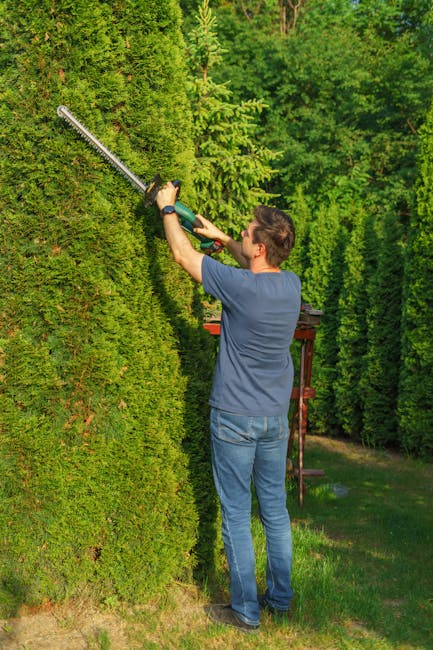
It also makes sense if you are requesting specialist work, because specialist jobs often carry more variation. A hedge trim may be straightforward, but if the hedge is tall, dense, or awkwardly positioned, it can take longer than expected. A standard tidy-up is different from a full hedge trimming service. That distinction should appear in the quote, not just in the gardener's head.
People with pets, children, or limited time also benefit from good pricing clarity. If you need the garden ready for family use, or you want low-maintenance planting, you may prefer a package approach that combines upkeep with design choices. For ideas around easier planting and low-fuss layouts, the site's guides on keeping gardening economical and ground covers can be handy background reading.
Step-by-Step Guidance
If you want a practical route through the process, use this approach every time.
1) Write down exactly what you want done
List the visible tasks. Cutting back shrubs, removing weeds, mowing the lawn, clearing leaves, cleaning the patio, reshaping borders, trimming hedges, and taking waste away. If you would be unhappy to pay extra for it, write it down now. Simple but effective.
2) Note the awkward bits
Access restrictions, narrow side passages, steep areas, thorny plants, heavy debris, long grass, overgrown ivy, or damaged structures can all affect the price. These are the things that quietly change a quote. If you can mention them in advance, do it.
3) Ask for an itemised quote
You do not need a spreadsheet. Just ask for a clear breakdown. Labour, materials, waste removal, and any extras should be separated where possible. If a gardener only gives a round number and refuses to explain it, that is a small red flag. Not a crisis. Just a nudge to keep looking.
4) Confirm whether waste disposal is included
This is one of the most common sources of misunderstanding. Some gardeners include green waste removal in the price. Others charge separately. Neither model is wrong, but it must be stated clearly.
5) Ask what would trigger a price change
For example: discovery of hidden rubbish, unusually dense growth, extra trips, tool hire, or additional labour. If the quote has sensible conditions attached, that is fine. You are not looking for a magic fixed price in every case. You are looking for fairness.
6) Agree how changes will be approved
A quick phone call, a text, or a written message before extra work begins is ideal. No approval, no extra charge. That should be the rule unless you have agreed otherwise.
7) Keep a copy of the quote
Old-fashioned? Maybe. Still useful. A saved message or email can settle a disagreement very quickly if memory gets fuzzy later on. And memory does get fuzzy. Especially after a long day.
Expert Tips for Better Results
Here are the habits that tend to save the most money without making the process fussy.
- Ask for a visit before quoting: Photos help, but a walk-through can reveal access problems and waste volume more accurately.
- Separate regular maintenance from one-off recovery work: A garden that needs a full tidy before it can be maintained properly should be priced differently.
- Be honest about the condition of the garden: If it has not been touched for six months, say so. A gardener can work with that. Surprises are what cause friction.
- Check whether materials are included: Soil, plants, fixings, sand, bark, or treatments can add up quickly.
- Understand the difference between estimate and fixed quote: An estimate can move; a fixed quote should not, except where you both agree extra work is needed.
- Think in outcomes, not just tasks: For example, a lawn may need mowing, edging, and feeding to look right. Ask what is actually required, not just what sounds cheap.
One small but important tip: if a gardener is happy to explain their pricing in plain English, that is usually a very good sign. You do not need jargon. You need understanding. There is a difference.
It can also help to ask about longer-term care. A one-off cut may seem cheaper, but regular care can reduce the need for big rescue jobs later. If your lawn is getting thin, patchy, or uneven, a proper lawn mowing visit paired with ongoing lawn care may be more economical than repeated emergency tidy-ups. Truth be told, the garden usually tells you what it needs if you listen long enough.
Common Mistakes to Avoid
A lot of hidden-charge problems come from very human habits. Rushing. Assuming. Hoping the number on the quote is the whole story. We have all done it once or twice.
- Choosing on price alone: The cheapest quote often becomes the most expensive once extras appear.
- Not asking about waste removal: A small job can become costly if disposal is billed separately.
- Ignoring access issues: Carrying materials through a narrow side passage or up steps takes time and labour.
- Assuming "tidy" means the same thing to everyone: Your version of tidy and the gardener's version may not match at all.
- Forgetting to mention hidden work: Ivy, self-seeded growth, clogged drainage, or broken edging can create extra labour.
- Accepting vague wording: Terms like "subject to conditions" are fine if they are explained. Not fine if they are used as a blank cheque.
A particular trap is treating all outdoor work like a flat-rate cleaning job. Garden work is rarely that neat. A hedge can hide a mess. A patio can be slippery with moss. A border can contain roots and old debris. If the quote does not reflect those realities, someone will pay for them later.
If your garden involves overgrown climbers or invasive growth, it is wise to factor that in too. A removal job for ivy, for instance, may need more labour than you first expect. The guide on removing ivy effectively is a good reminder that what looks like a quick job can become rather stubborn.
Tools, Resources and Recommendations
You do not need a shed full of pro kit to protect yourself from hidden charges, but a few tools and habits make the process smoother.
- Photos or short videos: Useful for showing the state of the garden before a visit.
- A simple written brief: Even a message listing the tasks and your expectations helps.
- Notebook or notes app: Handy for recording what was agreed during the quote.
- Measurements where relevant: Approximate lawn size, hedge length, or patio area can support more accurate estimates.
- Calendar reminders: If work is seasonal, keep a note of when it was last done.
For homeowners who like to stay proactive, the site's gardening articles can help you think ahead. For example, if you want to reduce future maintenance costs, you might explore weed control tips, soil improvement through recycling, or winterising plants. A garden that is easier to manage is usually cheaper to maintain. No great mystery there.
If you are planning a more substantial improvement, the right service choice matters. You might need general gardening services for regular upkeep, landscaping for structural changes, or tree surgery when overgrown branches or safety issues are involved. Different jobs carry different risks, and different risks should mean different pricing explanations.
Law, Compliance, Standards, or Best Practice
For most domestic garden jobs, the most useful "compliance" point is not a complicated legal one. It is ordinary good practice: clear terms, honest descriptions, and agreement before extra work starts. That is the standard that keeps misunderstandings down.
Depending on the job, there may also be practical duties around safe working, waste handling, and access to the property. You do not need to quote legislation at the kitchen table, but you should expect the work to be carried out safely and for waste arrangements to be explained clearly. If a gardener is removing large amounts of green waste, rubble, timber, or old materials, ask how that is handled and whether it is included in the price.
For tree-related work or larger structural tasks, written clarity matters even more. A small branch trim is one thing; a bigger job may require more time, more equipment, and more planning. The same goes for features like fences and decking. In practice, the best standard is this: if it changes cost, it should be stated before the work happens. That is the simplest rule, and honestly the best one.
Options, Methods, or Comparison Table
Different pricing methods suit different jobs. Here is a straightforward comparison so you can judge which approach feels fair for your garden work.
| Pricing method | How it works | Best for | Watch out for |
|---|---|---|---|
| Fixed quote | A set price is agreed before work begins | Clear, well-defined jobs | Make sure scope and exclusions are written down |
| Estimate | A likely cost is given, but the final amount can change | Jobs with unknowns or variable conditions | Ask what might change the price and by how much |
| Hourly rate | You pay for the time spent on site | Flexible tasks or ongoing maintenance | Confirm what counts as billable time, including travel if relevant |
| Task-based pricing | Each job is priced separately | Mix-and-match garden work | Check that each task is clearly described and not double-charged |
For many Old Coulsdon gardens, a fixed quote works well for clearly scoped jobs like hedge cutting, patio cleaning, or a one-off tidy. Hourly or estimate-based pricing can make sense when the garden has a lot of unknowns. The main thing is not the model itself. It is the clarity behind it.
If you are comparing options for a seasonal reset, think about what part of the garden matters most right now. Maybe it is the lawn. Maybe it is the hedges. Maybe the whole place just needs a proper spring lift. If privacy is the issue, you may also find value in reading about fast-growing hedge options and hedge trimming aesthetics, because better planning now can reduce future surprises.
Case Study or Real-World Example
A homeowner in Old Coulsdon wanted a spring tidy-up after a wet winter. The brief sounded simple: mow the lawn, clear weeds, trim shrubs, and clean the patio. A cheaper quote came in quickly, but it only mentioned labour for "general garden tidy". No waste removal. No mention of patio staining. No note about overgrown side access.
A second gardener visited, looked at the full garden, and explained the job in parts. The lawn was straightforward. The weeds were manageable. The patio needed a deeper clean because the surface had moss in the shaded corner. The shrubs were fine, but one hedge line would require extra disposal because of density. The quote was slightly higher at first glance, but it made the conditions plain.
Which one was actually cheaper? The second, in the end, because there were no add-ons creeping in later. No tension, no argument, no "oh, that wasn't included". Just a clean finish and a bill that matched the conversation.
That kind of experience is common enough. People do not usually mind paying a fair amount. They mind not knowing why the amount changed. Small difference, big emotional impact.
Practical Checklist
Use this before you agree to any gardening work in Old Coulsdon:
- Have I described the job in enough detail?
- Have I mentioned awkward access, slopes, or heavy overgrowth?
- Do I know whether waste removal is included?
- Is the price a fixed quote, estimate, or hourly rate?
- Have I asked what could trigger extra charges?
- Do I understand whether materials are included?
- Have I requested a written breakdown or message summary?
- Have I confirmed how changes will be approved?
- Do I know exactly which areas of the garden are covered?
- Have I saved the quote and any follow-up messages?
If you can tick most of those off, you are in a much stronger position. And if a gardener is happy to answer those questions clearly, that is a good sign. Usually a very good sign.
Quick takeaway: the safest garden quote is not the shortest one. It is the clearest one, with no mystery around waste, access, materials, or extras.
Get a free quote today and see how much you can save.
Conclusion
To avoid hidden charges when hiring gardeners in Old Coulsdon, focus on clarity, not guesswork. Define the task, ask what is included, confirm how extras are handled, and keep everything in writing. That one habit alone can save money, time, and a fair amount of awkwardness.
Garden work should feel calm and practical. You should know what is being done, why it costs what it costs, and what happens if the job changes. That is how you get a better result and a smoother experience. And frankly, that is how it ought to be.
When the right questions are asked early, the whole process becomes easier. Less worry. Less back-and-forth. More time enjoying the garden instead of untangling the bill.
Frequently Asked Questions
How do I avoid hidden charges when hiring a gardener?
Ask for a written quote, confirm what is included, check whether waste removal is extra, and agree how any additional work will be approved before it starts.
Is a fixed quote better than an estimate?
It depends on the job. A fixed quote is best for clearly defined tasks, while an estimate can be fine for more uncertain work. The main thing is understanding the difference.
What hidden charges should I watch for most often?
The most common ones are waste disposal, extra labour for overgrown areas, access difficulties, material costs, and charges for work that was not included in the original scope.
Should waste removal always be included in a gardener's price?
No, not always. Some gardeners include it, others separate it out. What matters is that you know in advance so there is no confusion later.
How can I compare gardener quotes fairly?
Compare them on the same basis: labour, waste removal, materials, access, and any exclusions. A lower headline price can be misleading if it leaves out key items.
Do I need a site visit before getting a quote?
It is not always essential, but it often helps. A visit can reveal access issues, garden size, and hidden problems that photos might miss.
What should be written into the quote?
The quote should list the tasks, what is excluded, whether waste is included, the pricing basis, and what conditions might change the final price.
Why do gardeners charge extra for overgrown gardens?
Overgrown gardens usually take more time, more labour, and sometimes more disposal. That extra effort is normal, but it should be explained clearly.
Can I ask a gardener not to do extra work if they find something unexpected?
Yes. You can ask them to stop and check with you first. That is a sensible way to keep control of the final cost.
Is it normal for garden prices to change after the job starts?
Sometimes, yes, if the gardener finds something genuinely unexpected and tells you before continuing. What is not normal is being billed for unapproved work with no explanation.
How do I know if a gardener is trustworthy about pricing?
They should explain the job plainly, answer pricing questions without irritation, and give you a clear written summary. Straight answers are usually a good sign.
What if the final invoice is higher than agreed?
Check the original quote and any messages first. If the extra cost was not agreed, ask for a clear breakdown and explanation before paying anything you do not understand.
If you want, the next sensible step is to get your garden requirements written down before you request quotes. A few extra minutes now can save a lot of money later, and that is rarely a bad trade.