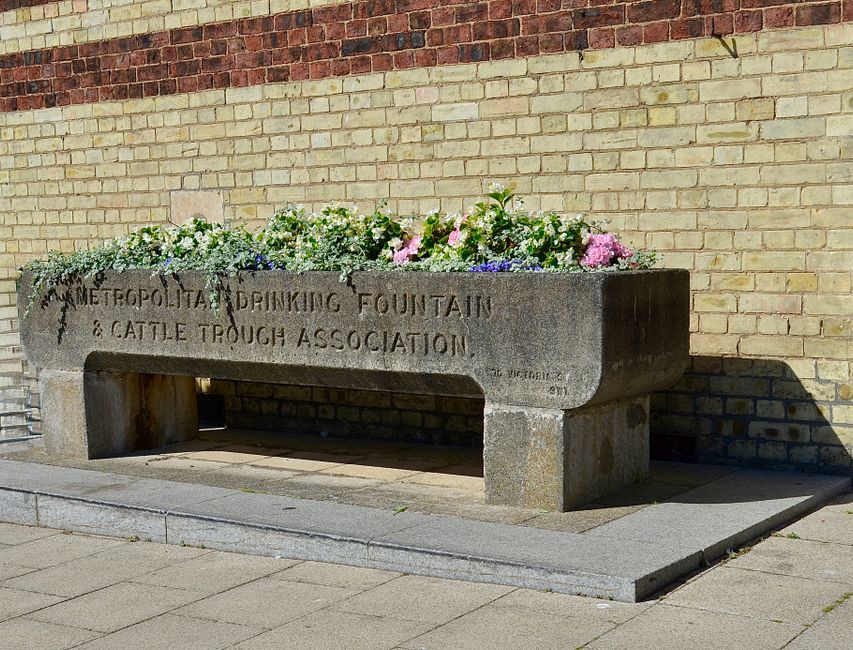
Coulsdon South station small garden ideas for flats
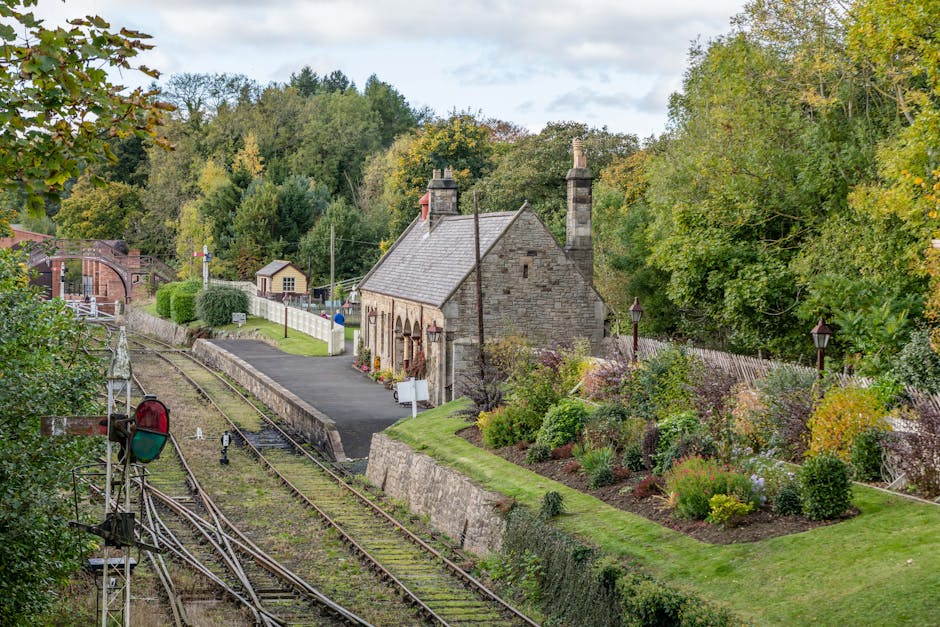
If you live near Coulsdon South station and your flat only gives you a tiny balcony, a narrow patio, or a compact courtyard, you already know the challenge: how do you make a small outdoor space feel calm, useful, and genuinely green without cluttering it? That is exactly where Coulsdon South station small garden ideas for flats come in. The right setup can turn a modest space into a place for morning coffee, a bit of fresh air, herbs for the kitchen, and a surprising amount of character. Truth be told, small gardens often do better than bigger ones when they are planned properly.
In this guide, you will find practical ideas for layouts, planting, containers, privacy, maintenance, and materials that work especially well for flat living. We will keep it grounded, local, and realistic. No fantasy rooftop jungle nonsense. Just smart choices that suit busy households, changeable British weather, and the realities of apartment life.
Why Coulsdon South station small garden ideas for flats Matters
Small outdoor spaces are easy to underestimate. A flat balcony or courtyard can feel like an afterthought, especially if it is awkwardly shaped, shaded by nearby buildings, or exposed to wind. But a well-planned mini garden does more than look nice. It can improve how you use your home day to day.
Near Coulsdon South station, many residents are balancing commuting, work, family routines, and limited space. That makes practical design especially valuable. You do not need a large garden to enjoy fresh planting, seasonal colour, or a peaceful sitting area. You need a clear plan, durable materials, and a layout that respects the size of the space instead of fighting it.
There is also the emotional side. A small patch of green can soften the hard edges of flat living. You notice it on a grey evening, when a few planted containers still hold their shape in the dusk, or on a Saturday morning when basil, rosemary, and a trailing fern make the space feel alive. Small, yes. But not insignificant.
If you are thinking beyond just pots on a slab, services such as professional gardening support or landscape gardening can help you shape the space properly from the start. That matters when every centimetre counts.
How Coulsdon South station small garden ideas for flats Works
The basic idea is simple: use design choices that maximise function without making the area feel crowded. In a flat setting, a small garden usually works best when it has a few clear zones rather than trying to do everything at once.
Think in layers. Vertical planting gives you height. Containers create flexibility. Slimline furniture gives you use without bulk. A small rug, a trellis, or a narrow bench can quietly define the space. You are not building a full-scale garden; you are curating a compact outdoor room.
There are a few constraints to understand before you start:
- Weight: balconies and raised terraces may have load limits, so heavy pots and stone features need careful thought.
- Wind exposure: higher flats can dry out plants fast and knock over lightweight items.
- Sun pattern: some small spaces get full sun for only a few hours, while others stay shaded most of the day.
- Access: if the route from kitchen or hallway is awkward, your garden needs to be low-fuss enough that you will still use it.
That is why the best small garden ideas for flats usually focus on low-maintenance planting, compact storage, and a tidy structure. A lot of people imagine they need more plants. Usually, they need better placement. Slightly different thing.
Key Benefits and Practical Advantages
When done well, a small garden outside a flat can be one of the most useful parts of the home. Not just decorative. Useful.
- Better everyday living: a few chairs, a herb planter, or a quiet bench create a place to decompress without leaving home.
- More usable space: compact layout planning can make a tiny balcony feel bigger and more intentional.
- Lower upkeep: the right plant choices reduce weekly maintenance and watering stress.
- Better privacy: tall planting, lattice screens, or carefully placed structures can make the space feel more secluded.
- Seasonal interest: you can build year-round appeal with evergreen structure plus changing flowers or foliage.
- Better value in daily life: even if the area is small, the habit of using it regularly can make the home feel calmer and more complete.
There is also a practical financial angle. A smart layout avoids wasted spending on oversized pots, unsuitable plants, or furniture that ends up living inside the flat because it never quite fitted. Been there? Most people have, at least once.
If you want help keeping the garden tidy once it is set up, garden maintenance is often the most efficient way to preserve the look without turning it into a weekend project every week.
Who This Is For and When It Makes Sense
This kind of garden planning is ideal for flat owners, tenants, landlords, and anyone with a modest outdoor footprint near Coulsdon South station. It makes sense if you have one of the following:
- a small balcony with railings or a screen
- a compact ground-floor courtyard
- a paved terrace with limited planting depth
- a shared outdoor area where you need contained, tidy planting
- a roof terrace that needs wind-smart, low-mess design
It is especially helpful if you are short on time. A tiny garden can become a burden if you overdesign it. You know the type: too many pots, no clear route, and nowhere to sit except on a folding chair that wobbles a bit. Not ideal.
It also makes sense when you want better privacy from neighbouring flats. A simple screen of climbers, tall grasses, or a decorative panel can soften views without creating a heavy, boxed-in feel.
And if the space has been left cluttered or neglected, perhaps by previous occupants, a clean reset can help before any design work begins. In that case, garden clearance may be the sensible first step.
Step-by-Step Guidance
Here is a practical way to approach a flat-sized garden near Coulsdon South station without overcomplicating it.
1. Measure the space properly
Start with exact dimensions. Include the usable floor area, the height available for climbing plants, and any obstacles such as vents, doors, or railings. If the space is small, a mismeasured bench can throw the whole thing off. A tape measure is boring, yes, but it saves you from buying the wrong furniture.
2. Decide what the space must do
Do you want a coffee spot, a herb garden, a place to read, or a bit of privacy? Small spaces work best when they have one or two clear jobs. If you try to include dining, storage, wildlife planting, and a mini lawn, the design can collapse into visual noise.
3. Choose a layout style
Most flat gardens fit one of three layouts:
- Linear: best for long balconies or narrow strips. Use one side for planting and the other for circulation.
- Corner-focused: ideal for square courtyards where you can create a cosy seating nook.
- Vertical-forward: good for very small spaces, where wall and railing height matter more than floor coverage.
4. Pick your planting structure
Use a mix of evergreens, seasonal colour, and useful planting. A common formula is:
- one or two structural plants
- two to four smaller flowering plants
- herbs or edible plants if you will actually use them
- one trailing or cascading plant for softness
That mix gives rhythm. Without it, every pot starts shouting for attention, which is not exactly restful.
5. Add vertical elements
Vertical gardening is one of the best tools for compact spaces. Trellis panels, hanging planters, stacked shelves, and climbing plants can give the impression of depth. It is also a tidy way to keep the floor clear for moving around or placing a chair.
6. Keep furniture light and foldable where possible
A small bistro table, slim bench, or fold-down chair usually works far better than bulky seating. In compact areas, the ability to move or store furniture quickly is a big advantage, especially if you need space for watering, cleaning, or simply opening a balcony door without doing a sideways shuffle.
7. Build in maintenance from the start
Small gardens go wrong when they are attractive on day one but impossible on day thirty. Choose planters with drainage, easy-access watering points, and surfaces that can be swept or hosed down. If you are planning hard landscaping elements, a little help from landscaping services can make the structure more durable.
Expert Tips for Better Results
Here are the details that make a small flat garden feel considered rather than improvised.
- Use repetition for calm: repeating the same pot shape or colour creates order, even if the planting changes through the year.
- Choose a restrained colour palette: two or three main colours usually look better than a dozen competing tones.
- Think in seasons, not just in spring: include evergreen structure, winter interest, and plants that still look decent in wet weather.
- Give water somewhere to go: drainage is not glamorous, but it matters hugely in containers and balcony gardens.
- Use scent strategically: a bit of lavender, thyme, or jasmine near a seating area can make the whole space feel richer.
- Go slightly bigger with one feature, not many: one good planter or bench often looks more premium than several small, fussy items.
A tiny courtyard near a station can be breezy in the morning and still warm by late afternoon. That shift matters for plant choice. If you notice the balcony gets harsh afternoon sun in summer, use more moisture-retentive compost and choose plants that do not sulk after one hot spell. They exist, thankfully.
For a more polished finish, think about clean edges and surfaces. A tidy base can make even simple planting feel deliberate. If your paving or terrace needs brightening, patio cleaning can make a surprising difference before any styling begins.
Common Mistakes to Avoid
Most disappointing small gardens are not failures of taste. They are failures of editing.
- Overfilling the space: too many pots make a small area feel cramped and awkward to use.
- Ignoring weight limits: heavy features can be an issue on balconies or raised structures, so check before bringing in large containers or stone.
- Choosing thirsty plants without a watering plan: a pretty plant that needs constant attention quickly becomes a chore.
- Forgetting about wind: lightweight furniture and tall, top-heavy planters can become unstable.
- Using only decorative planting: if everything is purely ornamental, the garden may look nice but feel a little pointless.
- Neglecting privacy early: once the space is set up, retrofitting screens can be awkward.
One of the most common mistakes is trying to make a tiny flat garden look like a big suburban border. It just does not behave the same way. Small spaces reward discipline. A bit harsh, perhaps, but true.
If the area has overgrown trees, awkward roots, or an unruly boundary feature nearby, you may need specialist help before planting. In those cases, tree surgery or tree lopping and removal can be relevant, depending on what is actually there and whether it is safe to keep.
Tools, Resources and Recommendations
You do not need a shed full of specialist kit to create a strong small garden. A sensible kit is enough.
- a tape measure
- a watering can with a fine rose
- lightweight containers with drainage
- good-quality compost suitable for containers
- secateurs for trimming and deadheading
- a hand trowel and gloves
- a soft brush or compact outdoor broom
Beyond tools, the most useful resources are often practical services rather than products. If you need help with ongoing upkeep, routine garden maintenance is useful. If you want a broader refresh, gardening services can cover planting, pruning, and seasonal tidying. And if you are starting from scratch, landscape gardening can help turn a bare slab into a proper outdoor room.
If you are comparing options, think about how much time you actually want to spend maintaining the space. That is the question people forget. A low-effort setup can often look more expensive than a complicated one because it stays neat longer. Funny how that works.
Law, Compliance, Standards, or Best Practice
For flat gardens, compliance is usually less about formal garden law and more about sensible building and neighbourly practice. Still, a few points matter.
If you live in a flat or apartment, check any leasehold, freeholder, or building management rules before installing heavy planters, screens, drilling fixings into walls, or changing shared spaces. In apartment buildings, the practical issue is often permission rather than aesthetics.
Safety matters too. Balconies and raised terraces should not be overloaded with dense materials. Heavy items can be risky, and that is not worth the drama. If you are unsure, keep things lightweight and ask for advice before committing. The same goes for fixing trellis or screening panels in communal or external walls.
Good practice also means using containers with drainage, keeping walkways clear, and avoiding anything that creates a slipping hazard after rain. Wet paving and a scattering of compost is a bad combination, to put it mildly.
If you are hiring help, it is sensible to choose a business that is transparent about safety, insurance, and working methods. You can review details such as health and safety policy, insurance and safety, and terms and conditions before work begins. It is the dull part, but the dull part is often the useful part.
Options, Methods, or Comparison Table
Not every small flat garden needs the same approach. The best choice depends on space, light, and how much upkeep you want.
| Option | Best for | Strengths | Watch-outs |
|---|---|---|---|
| Container garden | Balconies and patios | Flexible, easy to rearrange, good for renters | Can dry out quickly; needs regular watering |
| Vertical garden | Very small spaces | Saves floor space, adds height and softness | Needs secure fixing and careful plant choice |
| Mini courtyard garden | Ground-floor flats | Can include seating and layered planting | Can feel cluttered if too many elements are added |
| Hybrid hardscape + planting | Spaces used for relaxing or entertaining | Durable and neat, easier to keep clean | Needs a balanced design to avoid looking too hard or bare |
For many flats near Coulsdon South station, a hybrid approach works best. A clean base, a few well-chosen pots, and one vertical feature can create a space that looks intentional without feeling busy. It is basically the sweet spot.
Case Study or Real-World Example
Imagine a one-bedroom flat with a narrow balcony facing west. The owner wants it to feel welcoming after work, but does not want a high-maintenance project. The space is only large enough for a slim chair, a small table, and a few containers.
The first step is to remove unused clutter and clean the floor so the area feels larger straight away. Then the layout is simplified: one long planter against the railing, two medium pots near the corner, and a foldable bistro set that can be tucked away. A trellis panel gives height without using much floor space, and a couple of herbs sit close to the kitchen door for easy snipping.
The result is not a dramatic transformation in the grand design-magazine sense. But it works. It feels quieter, more finished, and much easier to use on a weekday evening. The owner is more likely to sit outside because there is a chair waiting, a cup fits on the table, and the plants are not begging for attention every other hour.
That is the real win with Coulsdon South station small garden ideas for flats: a tiny outdoor space that genuinely earns its keep.
Practical Checklist
Use this checklist before buying anything. A bit unglamorous, but very handy.
- Have I measured the usable space accurately?
- Do I know how much sun and wind the area gets?
- Have I checked any building or leaseholder restrictions?
- Have I chosen a layout that leaves clear walking space?
- Are my containers light enough and stable enough?
- Do my plants suit the light and exposure?
- Have I included drainage and easy watering?
- Do I have a maintenance plan for summer and winter?
- Will the furniture fold, stack, or move easily if needed?
- Does the overall design feel calm rather than crowded?
Expert summary: if your flat garden is tiny, your best friend is restraint. Choose fewer, better items. Build upward where you can. Keep the floor open. Make sure the space can be cleaned in minutes, not hours. That approach usually lasts longer and looks better, especially in real everyday use.
If you want a more tailored approach for your own flat, it can help to speak to a local team that understands compact outdoor spaces and the practical side of keeping them healthy. You can start by reviewing pricing and quotes and learning more about the team on about us. For direct help, contact us is the next sensible step.
Get a free quote today and see how much you can save.
Conclusion
A small flat garden near Coulsdon South station does not need to be complicated to be beautiful. In fact, the simpler it is, the more likely you are to enjoy it. A smart layout, the right planting, and a few practical decisions around privacy, drainage, and maintenance can turn even the most compact space into somewhere you actually want to spend time.
Whether you are working with a balcony, a courtyard, or a tiny terrace, the goal is the same: make it feel useful, calm, and easy to live with. That is the difference between a space you admire from inside and a space you genuinely use. And really, that is the whole point.
Start small, choose well, and let the garden grow into the home a little at a time.
Frequently Asked Questions
What are the best Coulsdon South station small garden ideas for flats if I have almost no space?
Focus on vertical planting, one compact seating piece, and a few medium containers rather than lots of small pots. A narrow layout with clean edges usually feels bigger than a crowded one.
Can I create a good balcony garden in a flat without drilling into anything?
Yes. Freestanding planters, rail-safe accessories, lightweight furniture, and portable trellis systems can do a lot without permanent fixings. That is often the safest option for renters too.
Which plants work best for small flat gardens near Coulsdon South station?
It depends on light and exposure, but compact herbs, dwarf evergreen shrubs, grasses, and hardy seasonal flowers are usually good starting points. Wind and sun matter more than plant trends, to be fair.
How do I make a tiny garden feel more private?
Use a combination of tall planting, narrow screening, and strategic placement of furniture. Even one well-placed trellis can soften sightlines without making the space feel boxed in.
What is the easiest low-maintenance layout for a flat garden?
A simple container-based design with a few repeat pots and one seating area is usually easiest. Keep the number of materials down and choose plants that tolerate your actual conditions.
Do I need professional help for a small garden outside a flat?
Not always, but it can be helpful if the space needs clearing, reshaping, safe screening, or a more polished layout. Professional help is especially useful when the area has awkward boundaries or heavy lifting involved.
How often will I need to water a small balcony or courtyard garden?
That depends on the plants, container size, wind, and sun. In warm periods, containers may need watering more often than in-ground planting. The rule of thumb is to check regularly rather than guessing.
What should I avoid in a very small flat garden?
Avoid too many pots, oversized furniture, and heavy features that overwhelm the floor area. Also avoid plants that need constant attention if you know you will not keep up with them.
Are there any safety issues with balcony gardens?
Yes. Weight, drainage, stability, and secure placement all matter. If you are unsure about loading or fixings, keep materials lightweight and seek advice before adding larger features.
How can I make the garden look tidy all year round?
Use evergreen structure, keep surfaces easy to sweep, and plan a simple maintenance routine. A little seasonal pruning and deadheading goes a long way. Not glamorous, but effective.
What is the best way to start if my flat garden is cluttered and neglected?
Begin with a clear-out and clean-up before buying anything new. A fresh base helps you see the real space, and then you can design properly instead of working around old mess.
Can small garden ideas also improve the value of my everyday living space?
Yes. Even a modest outdoor area can improve how a flat feels and functions if it is designed well. The real value is often in comfort, ease, and how often you actually use it.