Licensed gardeners and insured hedge trimming Old Coulsdon
If you are looking for licensed gardeners and insured hedge trimming Old Coulsdon, you are probably after more than a quick tidy-up. You want a garden that looks cared for, work that is done properly, and the reassurance that if something unexpected happens, you are not left carrying the worry. That is fair. In a place like Old Coulsdon, where gardens range from compact front plots to wider family spaces with mature hedges and busy boundaries, the difference between a casual cut and a professional service is easy to notice.
This guide explains what licensed and insured hedge trimming really means, why it matters, how the work is typically carried out, and what to check before you book. It also covers practical decision points, common mistakes, compliance considerations, and a few honest trade-offs. No fluff. Just the kind of advice that helps you choose with confidence.
- Quick value: safer work, cleaner results, fewer surprises.
- Best for: homeowners, landlords, tenants, and anyone managing overgrown or formal hedging.
- Local fit: Old Coulsdon gardens often need careful shaping, access planning, and seasonal timing.
Table of Contents
- Why Licensed gardeners and insured hedge trimming Old Coulsdon Matters
- How Licensed gardeners and insured hedge trimming Old Coulsdon Works
- Key Benefits and Practical Advantages
- Who This Is For and When It Makes Sense
- Step-by-Step Guidance
- Expert Tips for Better Results
- Common Mistakes to Avoid
- Tools, Resources and Recommendations
- Law, Compliance, Standards, or Best Practice
- Options, Methods, or Comparison Table
- Case Study or Real-World Example
- Practical Checklist
- Conclusion
- Frequently Asked Questions
Why Licensed gardeners and insured hedge trimming Old Coulsdon Matters
Hedge trimming sounds simple until you stand in front of a tall, woody hedge with uneven growth, hidden nesting birds, thorny branches, and a fence line that is just a bit too close for comfort. Then it becomes a job where judgement matters. Licensed gardeners bring that judgement. Insured hedge trimming adds the safety net.
In practical terms, "licensed" usually signals that the gardener has the relevant skills, training, and business setup to work professionally. It does not mean a magic certificate solves everything. But it does mean you are more likely to get someone who knows plant structure, seasonal growth, safe cutting technique, and how to avoid turning a hedge into a brown, patchy mess that takes months to recover. Let's face it, a hedge is often the first thing neighbours notice.
Insurance matters because hedge work can involve ladders, power tools, adjacent paths, cars, boundary walls, sheds, and sometimes a bit of awkward geometry. If a branch falls the wrong way or a tool causes accidental damage, insurance is part of what protects you and the property. That alone makes professional service feel calmer, especially if the hedge borders a driveway, public walkway, or shared fence.
For Old Coulsdon homes, this is especially relevant because gardens are often layered with mature planting, slopes, or mixed-use outdoor spaces. A neat hedge does more than look nice. It frames the garden, shapes privacy, reduces wind exposure, and stops everything feeling slightly unkempt. If you want the rest of the garden to shine too, services like regular garden maintenance and general gardening services can keep the whole space consistent rather than treating the hedge in isolation.
Good hedge trimming is not just about cutting green stuff into shape. It is about keeping the hedge healthy, balanced, and suited to the garden around it.
How Licensed gardeners and insured hedge trimming Old Coulsdon Works
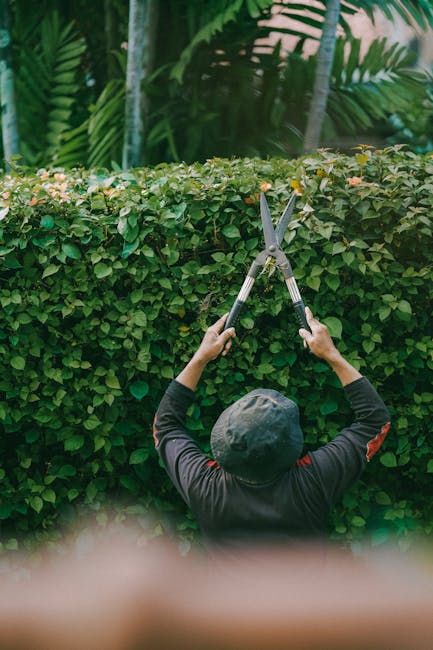
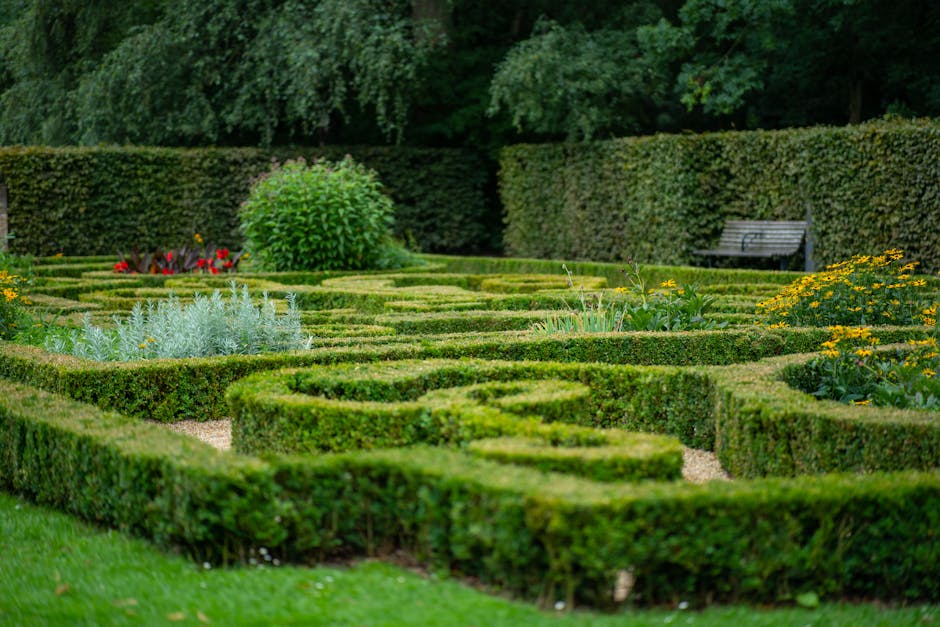
The process is usually more methodical than people expect. A decent gardener will not just arrive, clip, and vanish. They will look at hedge species, current condition, access, safety concerns, and the finish you want. A formal box hedge needs a different approach from a soft privacy hedge or a mixed boundary that has been left for a season too long.
Most jobs begin with a quick assessment. The gardener checks height, depth, shape, and whether the hedge needs a light tidy or a corrective reduction. That matters because overcutting can leave gaps, expose old wood, and weaken regrowth. Some hedges respond well to shaping, while others need a gentler hand. This is one of those areas where experience really shows.
From there, the work is usually planned around:
- Access: whether the hedge is front-facing, in a narrow side return, or behind other features.
- Safety: ladders, step platforms, eye protection, and stable footing.
- Finish: crisp edges, straight tops, natural taper, or a softer wildlife-friendly line.
- Waste handling: cutting material, bagging, and removal if agreed.
In some gardens, hedge trimming overlaps with other work. If the hedge has grown across the boundary or tangled into trees and climbers, it may make sense to combine it with tree surgery or the careful removal of invasive growth such as ivy. For ivy-related issues, the article on lasting ivy control methods is a helpful companion read.
A good service also thinks about timing. Hedge trimming is not always a one-size-fits-all job. Some plants are better trimmed lightly and often, others only at certain times of year. A professional will usually balance appearance with plant health, which is the part homeowners often miss when they do it themselves in a rush on a Saturday morning.
Key Benefits and Practical Advantages
There is a reason people keep coming back to professional hedge care instead of making do with a pair of tired shears and a ladder borrowed from the shed. The benefits are practical, visible, and, to be honest, a bit satisfying when done well.
1. A cleaner, more polished garden
Trimmed hedges instantly change how a garden feels. They sharpen the lines of the space and make everything else look more deliberate. Even a small front garden can feel bigger when the boundary planting is neat rather than bulky.
2. Better privacy without the bulk
Many people want screening, not a hedge that dominates the whole plot. Professional trimming helps maintain density while controlling height and width. That balance matters if you want privacy from neighbours but still want light and airflow.
3. Safer access and fewer accidents
Insurance is not just paperwork. It matters if work is carried out near windows, cars, paths, or other structures. A licensed and insured team reduces the stress around that. The garden should feel calm, not like a minor risk assessment is hanging over it.
4. Healthier hedges over time
Cutting the right growth at the right time encourages thicker, healthier hedging. Over time, that means better structure, fewer dead patches, and less temptation to chop it into submission after a long neglect period. Truth be told, hedges remember bad cuts.
5. Better results alongside wider garden care
Hedge trimming sits neatly alongside services such as lawn mowing, lawn care, and patio cleaning. Once the hedge is tidy, the rest of the garden suddenly needs to match it. Funny how that happens.
| Benefit | What you notice | Why it matters |
|---|---|---|
| Professional finish | Straight lines, balanced shape, less mess | Improves kerb appeal and garden presentation |
| Insured work | More peace of mind during the job | Helps reduce worry around accidental damage |
| Seasonal judgement | Healthier regrowth and cleaner structure | Supports hedge longevity |
| Waste removal | No mountains of clippings left behind | Saves time and effort after the cut |
Who This Is For and When It Makes Sense
This kind of service is useful for more people than you might think. It is not only for large homes or formal gardens. In fact, some of the trickiest hedge jobs are the modest ones: tight spaces, awkward access, and hedges that have been left a little too long because life got busy.
You may need licensed and insured hedge trimming if you are:
- a homeowner wanting a tidy, consistent boundary
- a landlord maintaining a presentable exterior
- a tenant with permission to improve the garden's appearance
- a family trying to manage privacy hedging and keep paths clear
- someone preparing a property for sale or letting
- a person who simply does not want to tackle height, ladders, or awkward tools
It makes especially good sense if your hedge is tall, mature, close to a fence, or forms part of the garden's structure. The same applies if the hedge has become too wide and is squeezing out light. A professional can reduce bulk without making the planting look hacked back. That distinction matters more than people realise.
There are also times when hedge work is best bundled into broader exterior upkeep. For example, if the boundary also needs repair, a visit that includes fencing services can be more efficient. If the garden layout itself feels outdated or cramped, landscaping support might be the better longer-term fix.
Step-by-Step Guidance
If you are planning a hedge trim for the first time, or you want to understand how a good job should unfold, this simple sequence helps.
- Walk the hedge line. Check both sides if possible. Look for overhang, gaps, nesting signs, broken stems, and any obvious access issues.
- Decide the outcome. Do you want a light tidy, a fuller reshape, or height reduction? Being clear here saves time later.
- Ask about insurance and qualifications. A professional should be able to explain coverage and confirm the type of work they are set up to carry out.
- Agree what happens to waste. Clippings can be bulky. Make sure removal or on-site stacking is discussed in advance.
- Check weather and timing. Rain, wind, or frozen ground can affect safe access and finish quality.
- Let the gardener work to the species. Some hedges need precise clipping, others benefit from gentler thinning or phased reduction.
- Inspect the finished line. Look at the hedge from the road and from inside the garden. The best shape should work from both angles.
- Plan the next cycle. Small regular trims are easier than letting the hedge explode into a yearly monster. We have all seen that hedge. It happens.
A useful tip: if the hedge is part of a wider maintenance plan, ask whether it should be trimmed alongside weed control, border care, or seasonal tidy work. Bundling tasks can make the garden look cohesive rather than patched together.
Expert Tips for Better Results
Here is where a bit of experience saves a lot of disappointment.
- Trim a little and often. That usually gives better shape and stronger growth than one severe cut.
- Keep the hedge slightly narrower at the top. This helps lower branches receive enough light.
- Watch for bird nesting season. You do not want to disturb wildlife, and careful timing matters in UK gardens.
- Use clean tools. Dirty blades can spread disease from one plant to another.
- Leave room for recovery. If the hedge has been neglected, a staged approach is often better than a dramatic reduction.
If privacy is the goal, choose the finish carefully. A hedge can be shaped to keep screening while still looking soft and natural. For gardeners weighing their options, the guide to fast-growing hedge options for privacy is useful background because it helps you understand why trimming style should suit plant type.
Another practical point: hedge work pairs well with seasonal garden planning. In winter, structure matters. In spring and summer, growth and shape become more noticeable. If you are preparing the garden for colder weather, winterising your garden plants can help you think more broadly about protection and timing.
And yes, sometimes the best tip is simple: stand back. A good gardener constantly steps away to see the shape. Up close, a hedge can look slightly wonky; from the path or road, it suddenly makes sense.
Common Mistakes to Avoid
Hedge trimming mistakes are often small in the moment and annoying for months afterwards. A lot of them are avoidable.
- Cutting too hard in one go. This can expose bare stems and weaken the plant.
- Ignoring the hedge species. Different shrubs respond differently to pruning. What suits one can damage another.
- Working without proper safety gear. Glasses, gloves, stable footing, and sensible ladder use are not optional when the hedge is tall or thorny.
- Leaving clippings to sit wet and heavy. They can smother lawns and borders if not cleared promptly.
- Forgetting boundary lines. Overhang can become a neighbour issue fast. Better to check first than argue later.
- Using the wrong finish for the garden style. A crisp formal cut in a relaxed cottage-style plot can look a bit out of place, honestly.
There is also the mistake of treating hedge trimming as a one-off rescue job rather than part of ongoing care. That is where a broader routine like garden maintenance often pays off. It keeps growth manageable and the whole outdoor space feeling intentional.
Tools, Resources and Recommendations
You do not need a shed full of specialist equipment to understand good hedge care, but it helps to know what professionals typically use and why.
- Manual hedge shears: good for finer shaping and quieter work on smaller hedges.
- Long-reach hedge trimmers: useful for upper sections and wider hedges where consistency matters.
- Secateurs: for selective cutting of thicker shoots that should not be hacked with blades.
- Ladder or platform access: only where appropriate and used safely.
- Protective kit: gloves, eye protection, sturdy footwear, and sometimes ear protection.
- Waste sacks or loading equipment: useful when clippings are heavy and awkward.
For people who like to do some of the smaller upkeep themselves, the article on a useful tool collection for serious gardeners is a practical place to start. You will quickly see the difference between decent tools and the kind that bend at the first bit of resistance.
If your garden design includes hard surfaces or seating nearby, you may also want to think beyond the hedge. A neat perimeter and a clean entertaining area tend to work together. In that case, decking services can complement the trimmed boundaries, especially in gardens that need clearer zones for seating or movement.
Law, Compliance, Standards, or Best Practice
With garden work, especially anything involving height, ladders, powered tools, or waste movement, best practice matters. There is no need to be dramatic about it, but there is also no reason to shrug it off.
In the UK, gardeners should work with sensible safety methods, appropriate equipment, and proper waste handling. Insurance is a major part of that picture. Public liability cover is commonly expected for professional outdoor work because the consequences of accidental damage can be expensive and awkward. Employers' liability may also be relevant where a business has staff. If in doubt, ask. A professional should not be cagey about it.
From a planning and wildlife point of view, hedge timing also deserves care. Birds may nest in hedges, and disturbance should be avoided. That means a responsible gardener will usually check before cutting, especially during the main nesting season. It is a simple courtesy, but it matters.
There is also an informal standard worth respecting: do not assume a heavy reduction is the right answer just because a hedge looks overgrown. A phased approach is often safer and more sustainable. Good practice is usually about restraint, not just power tools doing the talking.
For boundary-heavy gardens, compliance can also mean practical neighbour awareness. If a hedge crosses a shared line, it is sensible to agree access and the scope of work before anything is cut back. That avoids the awkward "who cut what?" conversation afterwards. Nobody enjoys that one.
Options, Methods, or Comparison Table
Not every hedge job needs the same approach. Here is a straightforward comparison of common options.
| Method | Best for | Pros | Watch-outs |
|---|---|---|---|
| Light trim | Healthy hedges with regular upkeep | Quick, tidy, low stress | Not enough if the hedge is seriously overgrown |
| Shape correction | Hedges that have gone uneven or lopsided | Restores balance and structure | May take more than one visit if growth is mature |
| Height reduction | Over-tall hedges blocking light or access | Improves usability and safety | Needs careful judgement to avoid bare patches |
| Rejuvenation pruning | Older, neglected hedges | Can rebuild form over time | Usually slower and more selective |
If the hedge is only one part of a broader outdoor refresh, you may want to compare hedge work with other improvements. For example, a tidy boundary and a renewed seating space often go hand in hand. The guide on designing a better garden seating area is a nice companion if you are thinking about how the whole garden flows.
Case Study or Real-World Example
Picture a typical Old Coulsdon garden on a damp morning. Nothing dramatic. A long back hedge has crept up over the fence line, widened into the path, and started shading the lawn more than it should. The owner has been putting it off for months because the job looks larger every time they glance at it. Classic.
A licensed and insured gardener arrives, checks access, and walks the boundary with the owner. They decide the hedge needs a careful reduction rather than a harsh cut, because the outer growth is healthy but the shape has drifted. The gardener trims in stages, steps back often, and keeps the taper slightly narrower at the top so the lower branches still get light.
By the end, the garden feels different. Not bigger, exactly, but clearer. The lawn gets more daylight. The path opens up. The fence line is visible again. There is less visual noise, which sounds like a small thing until you live with it every day. The owner later decides to add landscaping improvements to make the boundary feel part of the garden rather than just a barrier. That is the thing with good hedge work: it often creates momentum for the rest of the space.
The most useful part? The work was insured, so there was no nervousness about nearby surfaces and structures. Calm matters. Especially when ladders are involved and there is a patch of wet grass underfoot.
Practical Checklist
Use this quick checklist before you book hedge trimming in Old Coulsdon.
- Check that the gardener is insured for the type of work being carried out.
- Ask what "licensed" means in their case and what experience they have with hedges like yours.
- Confirm whether waste removal is included.
- Describe the hedge height, width, and access clearly.
- Tell them if the hedge borders a path, drive, shared fence, or outbuilding.
- Ask whether the hedge is suitable for a light trim, shape correction, or staged reduction.
- Discuss timing if birds, weather, or seasonal growth are concerns.
- Agree on the desired finish: formal, soft, privacy-focused, or rejuvenation-based.
- Think about whether other jobs should be done at the same visit.
- Take a quick before-and-after photo for your own records. Handy, that.
If your garden needs broader care after the hedge is finished, it can be useful to line up a few related tasks together. Many homeowners choose to combine trimming with lawn mowing or broader gardening services so the whole space looks refreshed in one go.
Conclusion
Licensed gardeners and insured hedge trimming Old Coulsdon is about more than simple appearance. It is about safety, plant health, and getting the right finish without taking unnecessary risks. A well-trimmed hedge can change how the whole garden feels: brighter, calmer, and easier to live with. And to be fair, that is often the real goal, not perfection.
When you choose a professional who understands hedge structure, works carefully, and carries proper insurance, you are buying peace of mind as much as a neat boundary line. You are also making it easier for the rest of the garden to stay in step. If you want a smoother, better-looking outdoor space and fewer headaches along the way, that is a very sensible place to start.
Get a free quote today and see how much you can save.
Sometimes the smallest change outside can make the house feel lighter inside. And that is no small thing.
Frequently Asked Questions
What does licensed gardeners and insured hedge trimming Old Coulsdon actually mean?
It means the hedge work is being carried out by a professional gardener with the right setup to do the job properly, plus insurance that helps protect you and your property if something goes wrong.
Why is insurance so important for hedge trimming?
Hedge trimming can involve ladders, tools, neighbouring property, and hard surfaces. Insurance helps cover accidental damage or injury risk connected with the work.
How often should hedges be trimmed in Old Coulsdon?
It depends on the hedge species and the look you want. Some hedges benefit from light, regular trimming, while others are better managed less often. A professional can advise after seeing the plant in person.
Can hedge trimming damage the hedge if done badly?
Yes. Cutting too hard, cutting at the wrong time, or removing too much growth can leave gaps, weaken the hedge, and make recovery slow. That is why plant knowledge matters.
Do I need hedge trimming in winter?
Sometimes, but it depends on the hedge type and local conditions. Winter can be a suitable time for some structural work, but not all hedges appreciate it. Weather and bird nesting considerations matter too.
What should I ask before booking a gardener?
Ask about insurance, hedge experience, waste removal, access needs, and whether they recommend a light trim or a staged reduction. Those questions quickly tell you how prepared they are.
Is a professional hedge trim better than doing it myself?
For small, low hedges, DIY may be fine. For tall, wide, thorny, or boundary hedges, a professional is usually safer and gives a more even result. Plus, you keep your weekend intact.
Can hedge trimming be combined with other garden work?
Yes. It often makes sense to combine it with lawn care, garden maintenance, or even fencing and landscaping, depending on what the garden needs.
What happens to the hedge clippings?
That depends on the agreement. Some gardeners remove all waste; others may leave it neatly stacked or bagged for you. It is best to confirm this before the work begins.
Are there rules about trimming hedges during bird nesting season?
There is a strong best-practice expectation in the UK to avoid disturbing nesting birds. A responsible gardener will check before cutting and will avoid work where nesting is likely.
How do I know if my hedge needs shaping or reduction?
If the hedge is only slightly untidy, shaping may be enough. If it has become too tall, too wide, or blocks light and access, reduction may be more appropriate. A site visit is usually the best way to decide.
Can hedge trimming improve privacy?
Yes, if it is done thoughtfully. Good trimming keeps the hedge dense while controlling height and width. That gives you screening without letting the hedge dominate the garden.
What if my hedge is very overgrown?
Very overgrown hedges often need a staged plan rather than a dramatic one-time cut. That approach is usually safer for the plant and gives a better long-term result.
How do I get started?
Start by thinking about the hedge's height, shape, and condition, then ask for an insured professional assessment. If the rest of the garden needs attention too, it may be worth discussing a broader maintenance plan at the same time.